

Cellulitis:Causes, Symptoms and Treatments
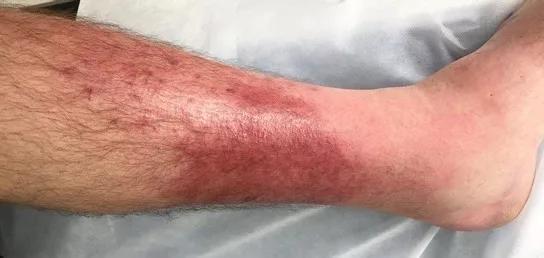
What is Cellulitis?
Cellulitis is a common and sometimes painful bacterial skin infection. It may first appear as a red, swollen area that feels hot and tender to the touch. The redness and swelling can spread quickly. It most often affects the skin of the lower legs, although the infection can occur anywhere on a person's body or face. Cellulitis usually happens on the surface of the skin, but it may also affect the tissues underneath. The infection can spread to your lymph nodes and bloodstream.
Causes
Cellulitis occurs when certain types of bacteria enter the skin through a cut or crack. Staphylococcus and Streptococcus bacteria can cause this infection.
The infection can start in skin injuries such as:
- cuts
- bug bites
- surgical wounds
Symptoms
Cellulitis symptoms include:
- pain and tenderness in the affected area
- redness or inflammation of your skin
- a skin sore or rash that grows quickly
- tight, glossy, swollen skin
- a feeling of warmth in the affected area
- an abscess with pus
- fever
More serious cellulitis symptoms include:
- shaking
- chills
- feeling ill
- fatigue
- dizziness
- light headedness
- muscle aches
- warm skin
- sweating
Symptoms like these could mean that cellulitis is spreading:
- drowsiness
- lethargy
- blisters
- red streaks
Contact your doctor right away if you have any of these symptoms.
Treatment:
- Cellulitis treatment involves taking antibiotics by mouth for 5 to 14 days. Your doctor may also prescribe pain relievers.
- Rest until your symptoms improve. Raise the affected limb higher than your heart to reduce swelling.
- Cellulitis should go away within 7 to 10 days after you start taking antibiotics. You might need longer treatment if your infection is severe due to a chronic condition or a weakened immune system.
- Even if your symptoms improve within a few days, take all the antibiotics your doctor prescribed. This will make sure all of the bacteria are gone
Contact your doctor if:
- You don't feel better within 3 days after starting antibiotics
- Your symptoms get worse
- You develop a fever
You may need to be treated with intravenous (IV) antibiotics in a hospital if you have:
- A high temperature
- Low blood pressure
- An infection that doesn't improve with antibiotics
- A weakened immune system due to other disease.
'Ask Gogodoc About' is an educational series providing information on various symptoms, pains, and disorders. It is intended for educational purposes only and should not be used as a substitute for professional medical advice, diagnosis, or treatment.
Last updated: 18 September 2025